Tuynvoort
- Programme
- Mixed-use
- Location
- Katwijk
- Status
- In development
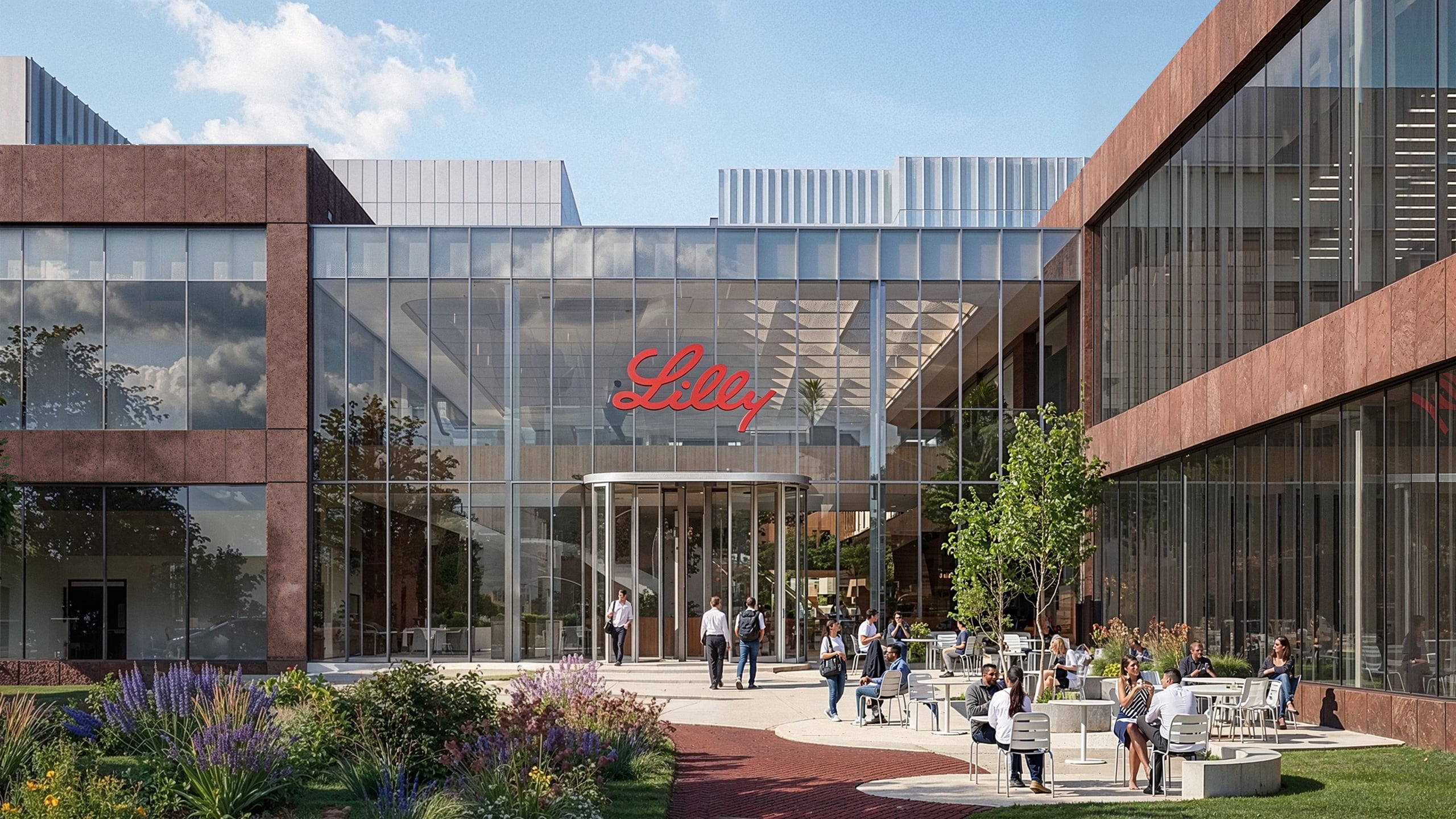
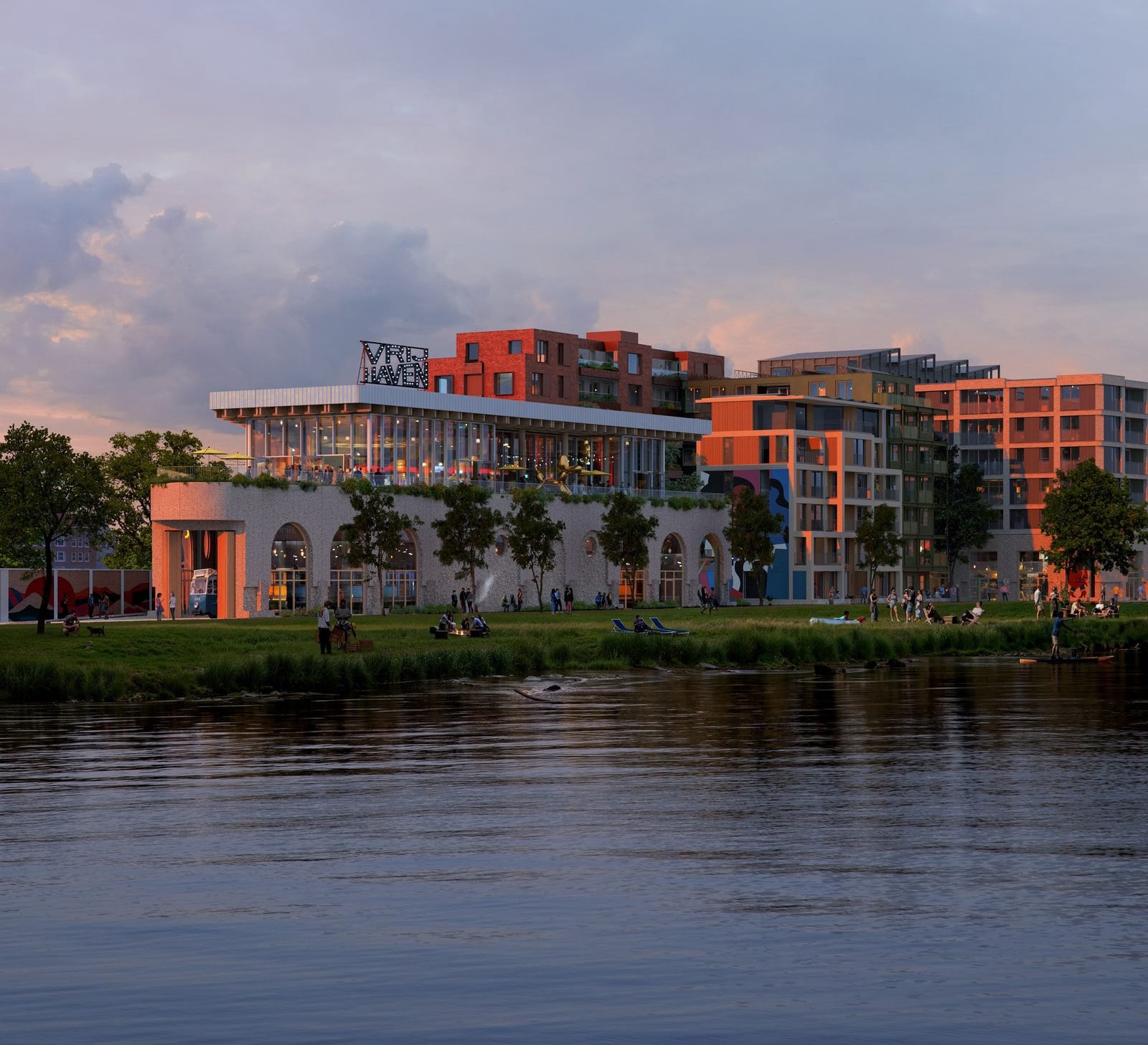
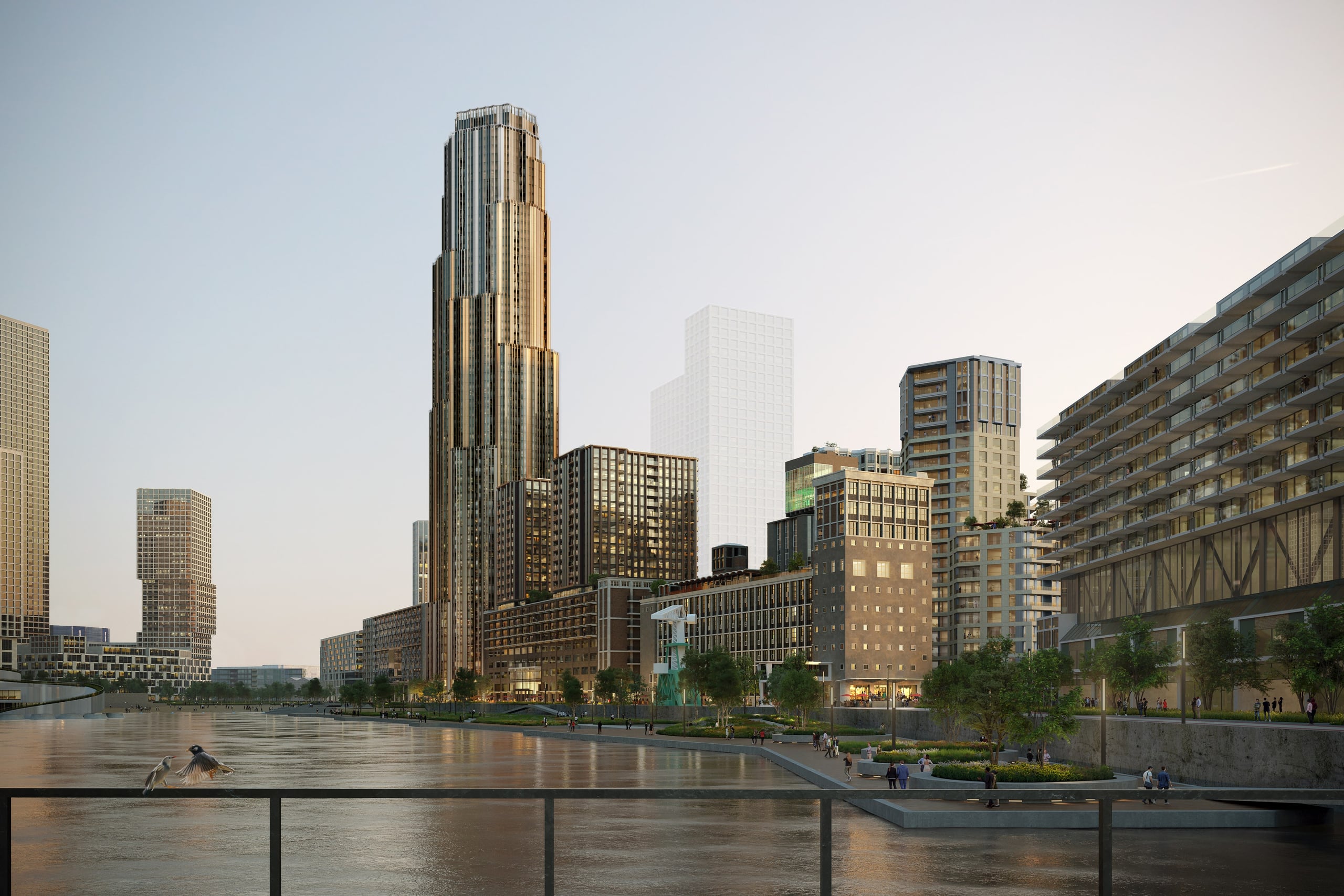
At the edge of the Leiden Bio Science Park, RED Company is developing Tuynvoort (Zijlhoek-De Woerd) in Katwijk: a new Eli Lilly facility woven together with high-quality homes, amenities and a clear connection to nature. A green link from the Valkenburgse Meer to the Katwijk dunes, designed around the well-being of its future residents.
Highlights
Homes
900 rental homes
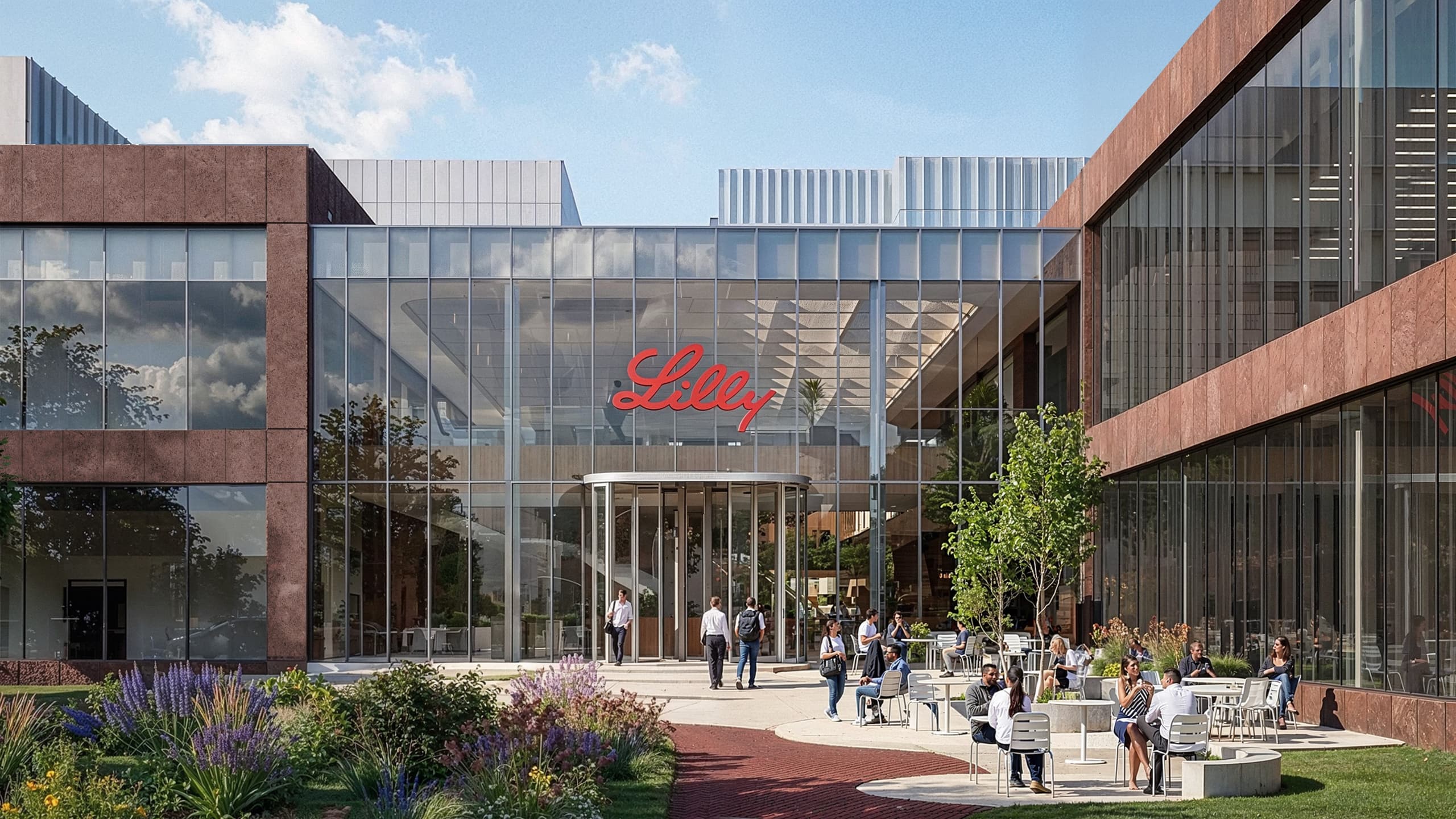
At the edge of the Leiden Bio Science Park, a new Eli Lilly facility is woven together with homes, amenities and a clear connection to nature.
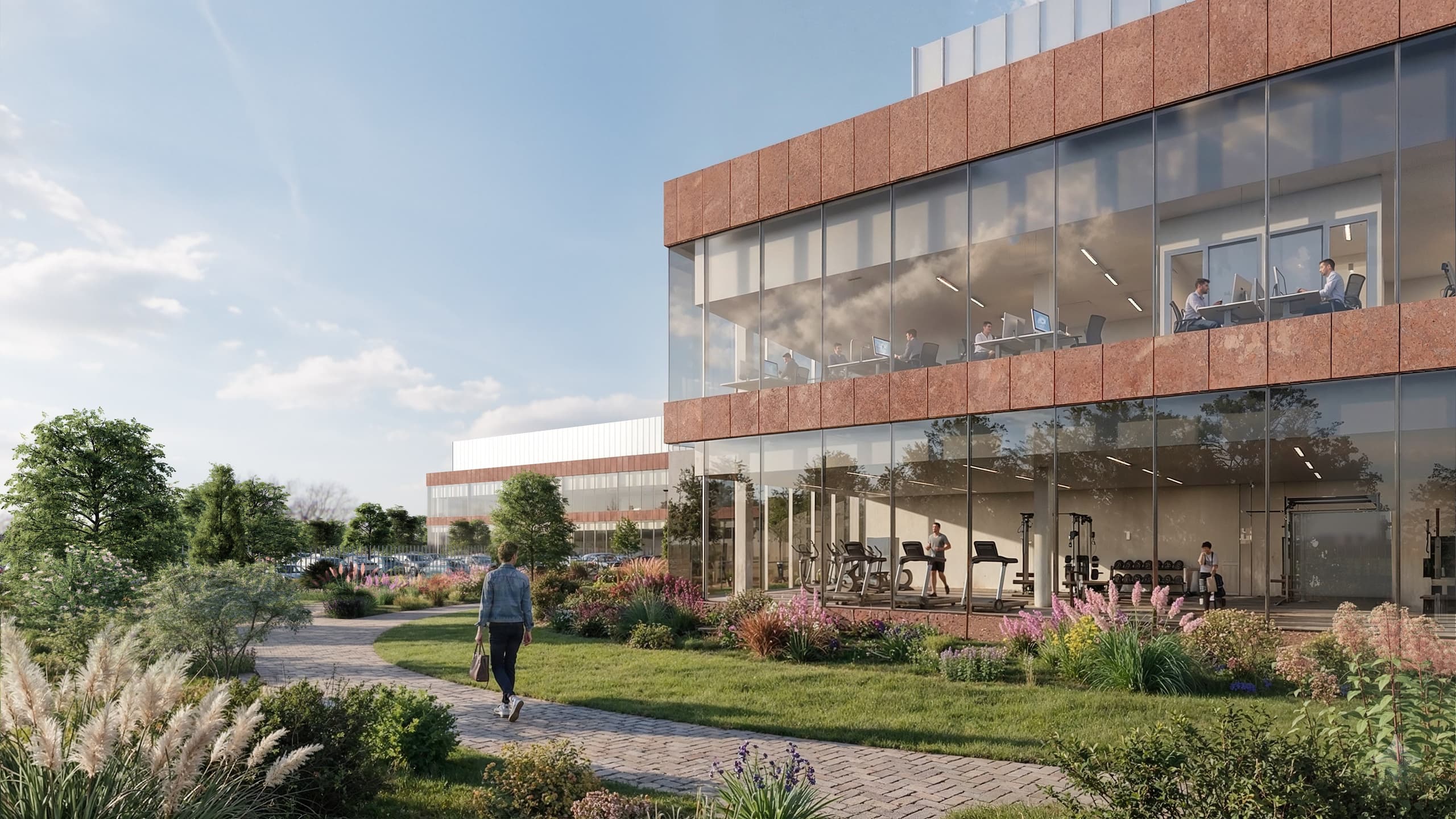
Mix
30% social35% mid-market35% free sector
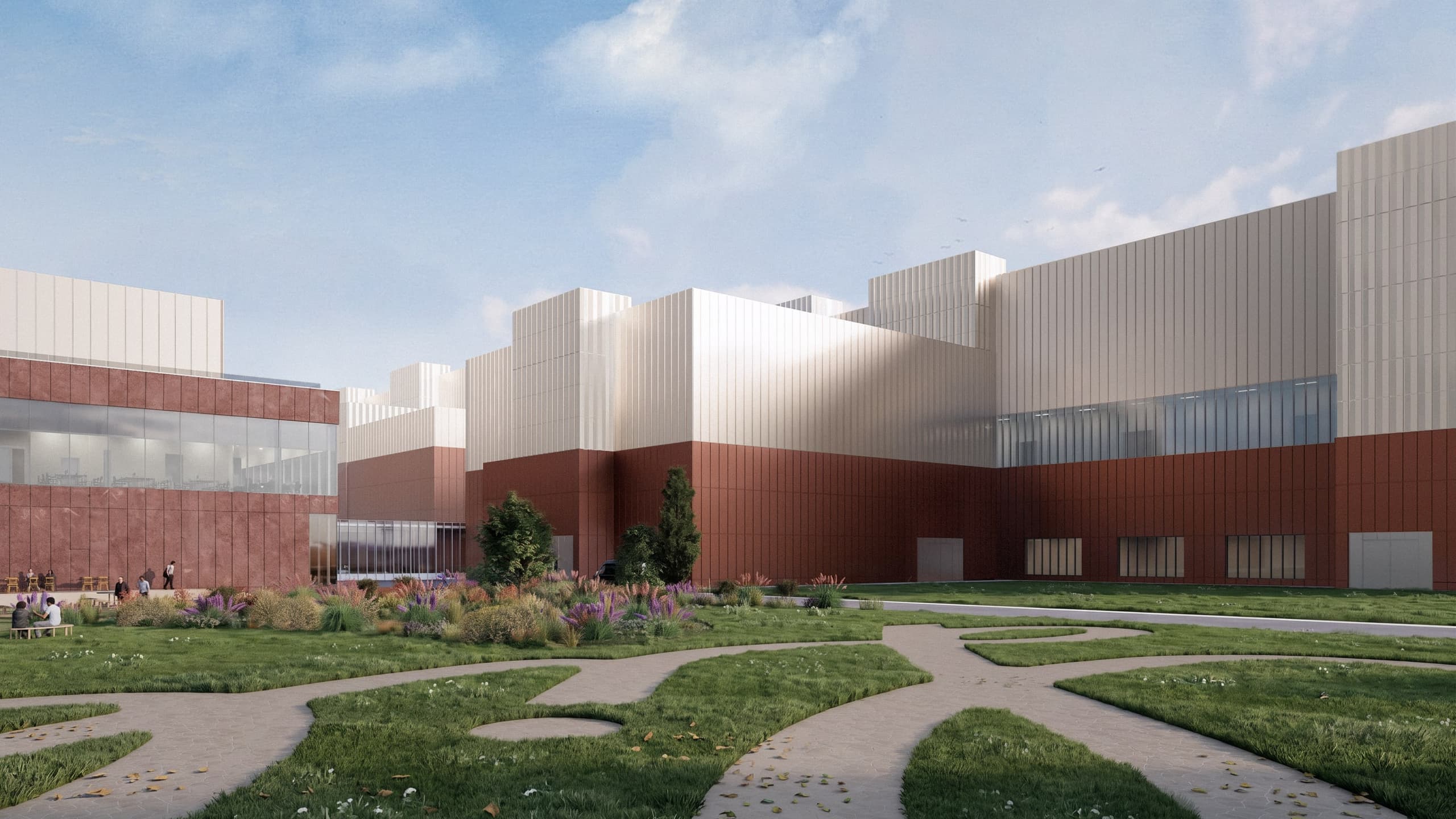
Next to the Valkenburgse Meer and within ten minutes of the beach and Leiden’s city centre.
Status
In development
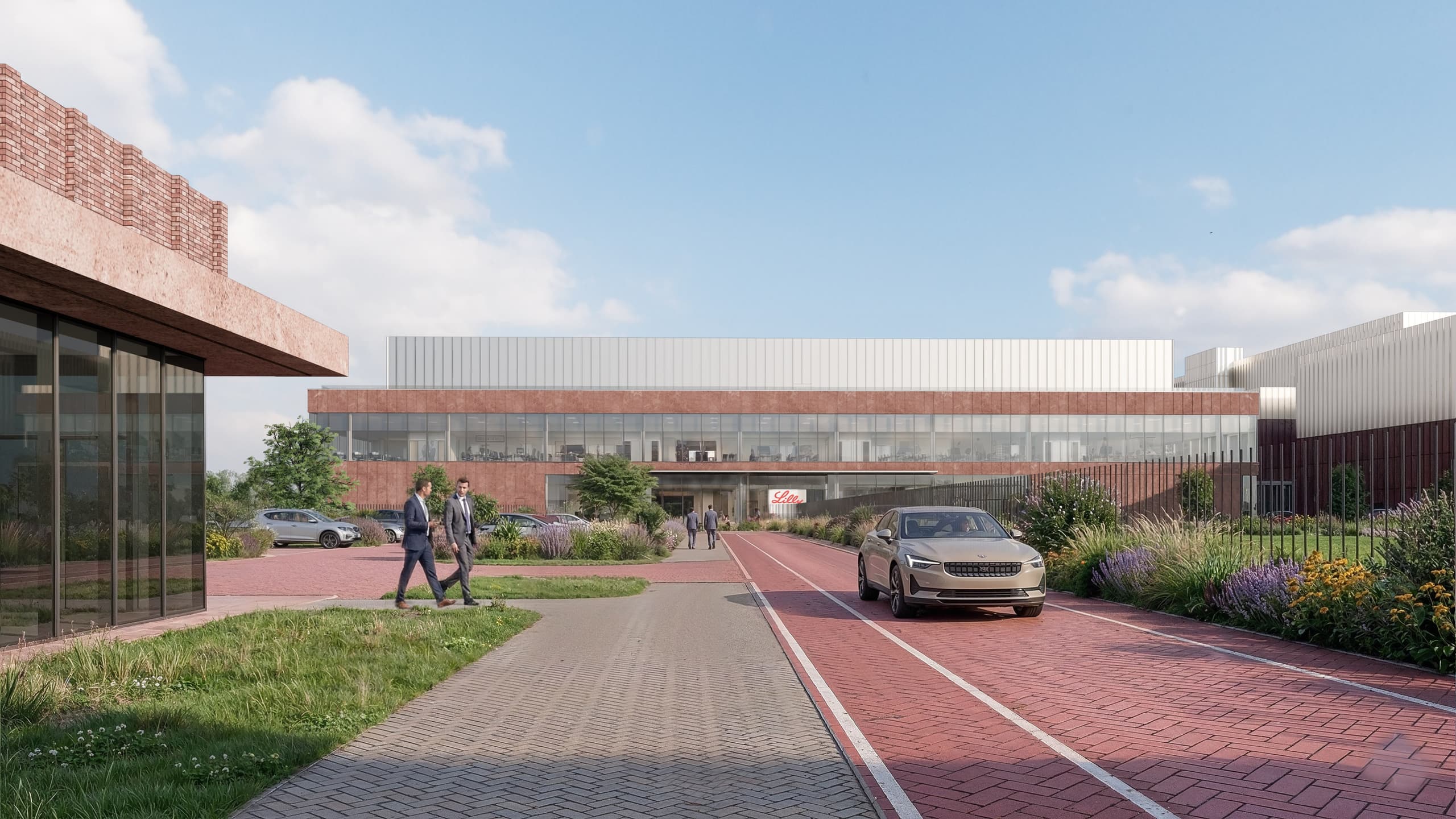
A new standard for a district
Tuynvoort sets a new standard for a mixed district: completely CO₂ and energy neutral, combined with high-quality residences, a broad range of services and a clear connection with the great outdoors. The development is situated next to the Valkenburgse Meer and within ten minutes of the beach and Leiden’s city centre, on the edge of the Leiden Bio Science Park.
Life sciences meet living
Tuynvoort combines a new production and research facility for Eli Lilly with homes in different price ranges, focused on well-being, nature and housing opportunities for everyone. Knowledge-intensive functions and daily life share one landscape. Transparency and collaboration with the surrounding villages are central to the plan.
The interaction with the Valkenburgse Meer and the surrounding areas makes it a place where people want to linger, with an urban plan inspired by the Dutch architecture of the 1920s and 1930s: the most sought-after type of residential area in the Netherlands.
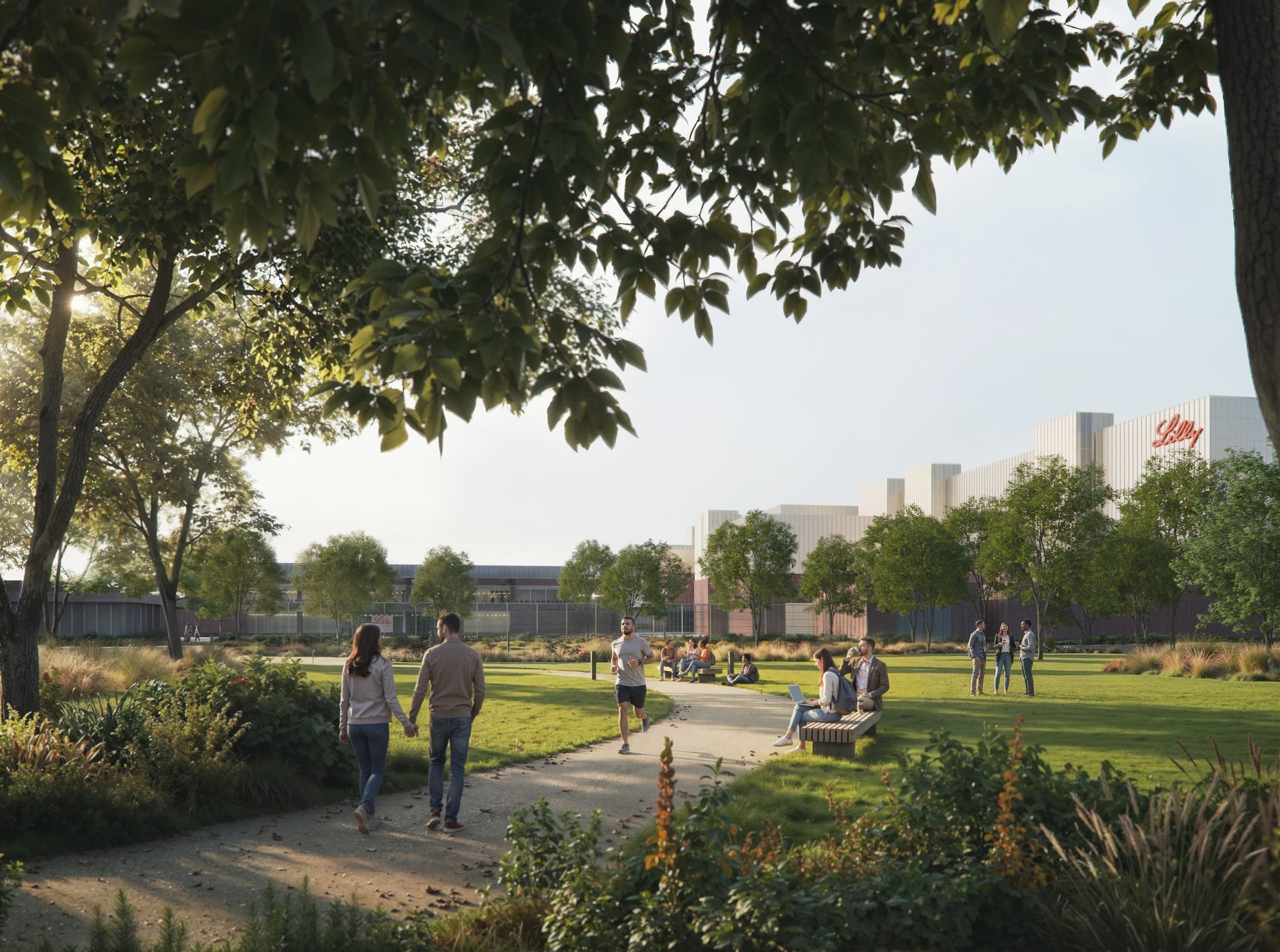
A climate-resilient landscape
About thirty percent of the six-hectare site is designated as green and nature, twenty percent more green than today. The landscape is designed to be climate resilient, with water management coordinated with the Hoogheemraadschap van Rijnland, elevated terrain against extreme rainfall and subsidence, green roofs, and measures for biodiversity such as nesting sites for birds and peregrine falcons.